In the UK’s colourful world of online slots, Eye of Horus Megaways stands out. It’s not just the gameplay that captures attention. A whole layer of player superstition has grown around it. This Megaways version of the classic Eye of Horus slot blends ancient Egyptian myth with modern mechanics, and players have found it the perfect foundation for their own rituals. British gambling culture has always had its unique traditions, and the community has taken to this aspect with real enthusiasm. For plenty of players, a session on this slot is more than pressing the spin button. It feels like engaging with symbols of ancient power. Here, we’ll look at the specific superstitions British players have adopted. From rituals before the spin to reading meaning into every cascade, these practices define how the game is played and show a deeper, more personal interaction with luck.
The Fascination of Ancient Egypt in UK Slots
That ongoing fascination with Ancient Egypt in UK slots isn’t an accident. It provides the ultimate backdrop for superstition to develop. Themes of pharaohs and gods like Horus tap into a shared imagination full of mystery and the hope of hidden treasure. For the British player, these aren’t just pretty pictures. They’re powerful icons that feel like a link to an older world, a place where magic and fate were tangible forces you could experience. This depth enables players impose their own hopes and rituals onto the game. A digital experience becomes something that feels weightier, more consequential. The Eye of Horus symbol itself is the Wadjet, a famous amulet for protection and royal power. Sitting right at the heart of the game, it naturally pushes players to see it as more than a standard icon. It prepares the ground for beliefs about its influence over the reels and the player’s own fortune.
The Reason Egyptian Themes Resonate
Why do Egyptian slots like this one strike a chord so strongly? They provide a full escape, a unified story. They pull you to the banks of the Nile, into a cosmology where every symbol bears weight. This narrative depth promotes a kind of superstitious play you simply won’t find with abstract fruit machines. The mythology provides players a framework for interpretation. The scarab symbolises rebirth. The Ankh is life. The Eye is a protector. Players cling to these established meanings and construct personal lore around them. A cascade filled with scarabs might be interpreted not just as a win, but as an omen that their luck for the session is about to be « reborn. » This symbolic layer elevates the gameplay. Every spin comes across like a conversation with ancient forces, an idea that resonates perfectly with the UK audience’s love for a good story and a sense of history.
Pre-Spin Rituals and Good Luck Charms
Before a solitary reel turns in Eye of Horus Megaways, many fateful players across the UK have their rituals ready. They employ rituals or lucky charms. These habits are deeply personal, often derived from a past big win and a wish to nudge randomness in their favour. A common ritual is waiting for a specific time. Some wait for the clock to strike the hour. Others opt for a « lucky » period, like when the moon is full. Only then will they take that first spin. A small physical action is popular too, like touching the screen on the Eye symbol three times before hitting spin. The environment matters just as much. A player might only ever play from a specific chair, or with a particular item on the desk, building a conditioned « lucky » space for their session.
Physical lucky charms are another prevalent part of the play. Someone might keep a particular coin or a little figurine of an Egyptian cat beside their laptop or phone. The thinking often follows a kind of sympathetic magic. Encircle yourself with symbols of good fortune, and maybe those energies will filter into the digital game. Some expand this to their digital space, switching to a specific phone wallpaper only when they play. These pre-spin habits fulfill a psychological purpose. They build a sense of readiness and positive expectation. They mark the shift from ordinary time to the ritualised time of gameplay, where the ancient rules of Horus are thought to dominate and every little action is filled with potential meaning.
The « Waking the Eye » Myth
One of the most notable beliefs to emerge around Eye of Horus Megaways in the UK is the idea of « waking the Eye. » This superstition states the central Eye symbol has phases of sleep and activity. Players mention the slot having cycles. Starting a session when the Eye is « asleep » is considered to be a waste of time. To address this, they employ practices meant to stir the power awake. That could involve playing a few spins on the minimum bet, or even triggering a non-paying spin on purpose to « feed » the game a small loss. The moment a feature like free spins lands is then regarded as the Eye finally « opening. » That’s the sign that the real play can now begin.
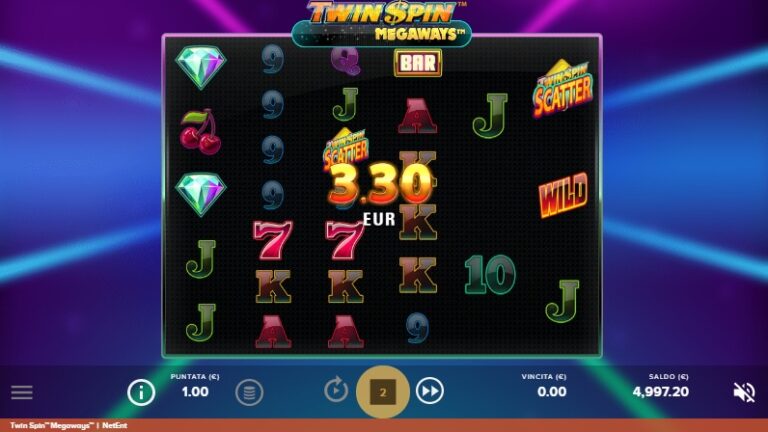
This belief hooks straight into the game’s own mechanics https://megawaysslot.org/eye-of-horus-megaways/. The Megaways system is designed for volatility, with phases of quiet followed by big wins. The « waking the Eye » idea offers players a story to interpret that volatility. A run of losses isn’t just bad luck. It’s the essential quiet before the storm. Because of this, players might weather a dry spell, convinced they are gently rousing the game’s potential. On community forums, you’ll see threads asking if « the Eye is active tonight, » which sustains the superstition alive. This collective myth-making creates a shared language, and it renders the communal experience of the game much richer for its UK followers.
Stake Selection and Numerological Beliefs
When it comes to Eye of Horus Megaways lucky notions, setting a stake is rarely just about finances. For many UK players, the exact stake amount carries numerological weight. They take from ancient Egyptian traditions and modern fortune number connections. The number seven carries great strength and is a frequent choice as a bet multiplier. The number three, significant by itself in numerology, is also a favourite. Some players dig into Egyptian significance, maybe picking bets that employ the digit four for its representation of steadiness. Even the decimal in a bet like £0.70 is seen as crucial. The belief is that these specific numbers « speak » to the game’s system in a more positive manner.
This number-based mindset extends to bankroll management. After a cascade win, a player might raise their bet by a notable increase, interpreting the win as a signal to « follow the number. » The Megaways system, which shows wins across a massive number of ways, fuels this as well. A win on 117 ways might get examined. Is 1+1+7=9, a number of fulfilment, a good sign? This detailed relationship with numbers converts the mathematical framework into a mystical conversation. It allows the player to feel like an engaged player in determining their own luck, using numbers as a secret language to communicate with the game’s ancient Egyptian spirit.
Interpreting the Chain and Free Spin Triggers
In Eye of Horus Megaways, the chain mechanic is beyond a mechanic. It’s a arena for belief. Every cascade is monitored intently and interpreted for purpose. A extended cascade that yields a humble total might be viewed as the game « tempting » or accumulating up possibility. The series of icons within the cascading gets interpreted like a narrative. One ending with a scarab could be a promise of renewal and more payouts on the path. Even the sound and visual elements become component of the portent. Some players swear a particular sound cue marks a free spin phase is going to land.
Triggering the Free Spin bonus is the climax of this interpretation. Many think the feature is expected after a phase of « contributing, » which means playing consistently through a dry period. The certain icon that starts it gets analysed. Was it on the first slot or the final? This detail becomes gambler tradition. Behaviour during the feature round itself is loaded with belief. Some decline to employ the fast-spin feature during free spins, concerned it might « offend » the deities. Others have rigid rituals for the moment to employ the double feature on the prize bonus. This constant analysis transforms the slot into a dynamic text to be interpreted, where every sparkle and noise is a potential signal from the historic era.
Shared Stories and Common Bonds
The beliefs around Eye of Horus Megaways are shaped in the UK’s active online gambling community. Forums and streamer chat rooms function as modern campfires. Here, tales of wins and near-misses get shared and reinterpreted. In these spaces, a personal quirk turns into accepted community lore. A player might share a huge win that happened just after their cat walked across the keyboard. That ignites a wave of comments from others who now believe feline intervention is lucky. Streamers, playing live for an audience, often talk through their own rituals out loud. This standardises them for thousands of viewers. Phrases like « the Eye is hungry today » become code, creating a shared vocabulary that binds the community together with a common belief system.
This communal myth-making has a useful side. New players quickly absorb the prevailing superstitions. It gives them a established set of strategies to manage the game’s volatility. Hearing a seasoned player detail their « three-spin test » gives a novice a organised way to start. Shared stories of wins that followed a certain pattern create deep cognitive biases. Importantly, this lore also delivers comfort. A losing session can be recontextualised. It’s not a failure, but part of a larger cycle the game goes through. This collective narrative develops emotional resilience. It converts the solitary act of playing a slot into a shared cultural experience, complete with its own legends and ways to lessen a loss.
The Role of Streamers and Influencers
Streamers and influencers are pivotal in making superstitions take hold around slots like this one. Their live-play sessions are public performances of ritual. A streamer might always start with a specific phrase, or use a particular bet size for « warm-up spins. » Their audience sees these habits happen alongside real wins and losses, which creates strong associations. When a big win follows a ritual, it confirms that ritual for everyone watching. On top of that, streamers chat directly with their viewers, talking about superstitious feelings as they happen. This heightens the sense that the game has an intangible « energy » or mood. By showcasing these personal beliefs, streamers give them credibility and legitimacy. It motivates viewers to adopt the practices themselves, weaving the streamer’s personal lore into the wider tapestry of what the community believes.
Psychological Relief in Randomness
At its core, the presence of beliefs around Eye of Horus Megaways addresses a basic psychological need. It’s about imposing order on uncertainty. Our brains are designed to detect patterns and a perception of agency, even where there are none. The Megaways engine, with its wildly variable results, is a perfect target for this pattern-seeking. By creating rituals and believing in cycles, players establish a perceived framework of control. This « illusion of control » cuts down anxiety and makes the unpredictability of gambling more manageable to handle. Tapping the screen or using a lucky bracelet doesn’t alter the algorithm. But it does alter the player’s emotional state. It promotes a positive anticipation that increases the entertainment value.
That psychological ease matters even further in a high-volatility game. Superstitions provide a narrative link over the intervals between wins. Instead of a meaningless run of losses, the player goes through a story. They are « warming up » the game or « waiting for the Eye to open. » This narrative turns patience into a form of active participation. For some, these beliefs can even encourage more sensible play. A personal rule like « I only play while my lucky coin is on the desk » can create a natural break point. Nobody should misinterpret superstition for a real approach. But its role in offering cognitive coping mechanisms and enriching the game’s theme is a big part of why it remains so appealing to the UK gaming community.
Balancing Superstition with Mindful Play
Engaging with the rich folklore of Eye of Horus Megaways can make the game more entertaining. But UK players need to balance these beliefs with responsible gambling principles. Superstition can cloud judgment. A playful ritual can become a harmful misconception if a player starts to truly believe their actions influence the outcome. It’s crucial to remember that every result comes from a verified Random Number Generator. No talisman, no specific time, no ritual can change the fundamental randomness of each spin. Players should be wary of the « gambler’s fallacy. » That’s the mistaken belief that past spins impact future ones, and it can be strengthened by superstitious stories about the game « owing » a win.
Enjoying the folklore should go hand in hand with real-world safeguards. The most useful « good luck » charm is setting firm deposit, time, and loss limits ahead of time. These limits should be determined by what you can afford, not on superstitious numbers. View any session as money spent on entertainment, not an financial strategy dictated by omens. If you notice yourself chasing losses or playing longer just to see through a ritual cycle, those are red flags. The community lore should be a source of fun and connection, not stress. By mindfully framing superstitions as part of the game’s theme and social fun, players can look after their wellbeing while exploring the captivating world of Eye of Horus Megaways.
The Timeless Power of a Symbol
The story of the Eye of Horus symbol says a lot. It moved from an ancient amulet to a dynamic slot focal point, and its power persists. In the UK, it has transcended its digital function to become a focal point for player-generated belief. The Megaways format, with its significant swings, offers the optimal volatile canvas for these superstitions to unfold. What we see is a fascinating cultural hybrid. A 21st-century digital pastime is animated by timeless human impulses to seek meaning and share stories. The game excels not only because of its mathematical potential, but because it provides a mythology players can actually inhabit. They create personal rituals that introduce a layer of depth to every single spin.
This whole phenomenon highlights a broader truth about UK gaming culture. Players aren’t idle. They form communities and develop personalised relationships with the games they love. The superstitions around Eye of Horus Megaways are evidence of that engagement. They demonstrate how a resonant theme can spark play that is imaginative, communal, and richly layered. You might not personally subscribe to a ritual. But comprehending these practices opens a window into the creative ways players enhance their own entertainment, connecting through shared stories about the watchful Eye of Horus and its modern-day Megaways mysteries.